

The Origin of Nigiri Sushi: A Story from Edo-Period Japan
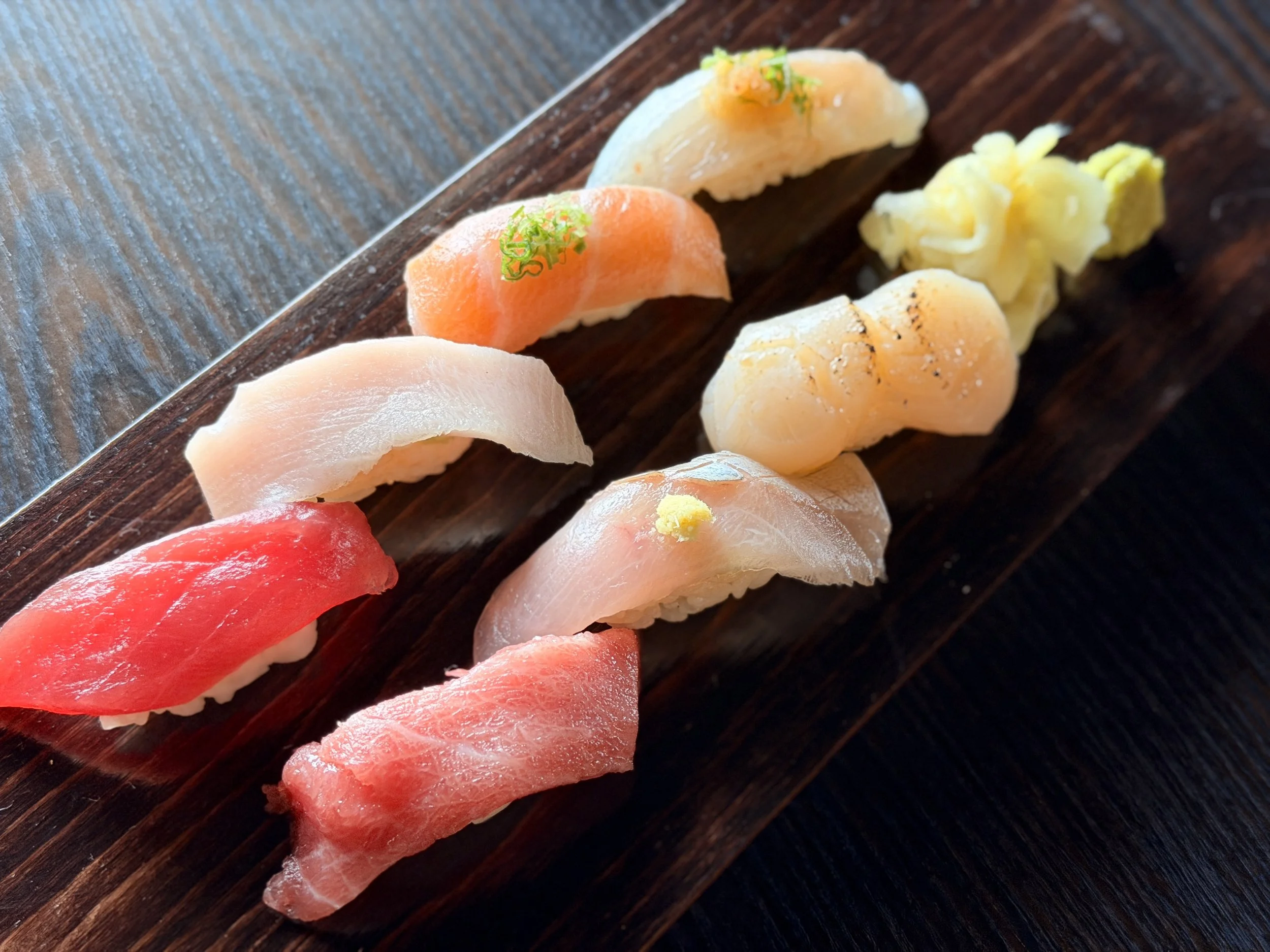
The Origin of Nigiri Sushi: A Story from Edo-Period Japan
Sushi is now enjoyed all over the world, but the style most people recognize today—nigiri sushi—has a surprisingly recent origin compared with many other traditional Japanese foods.
Sushi Before Nigiri
Before the 19th century, sushi in Japan was very different. Early sushi styles such as narezushi were a form of preserved fish. Fish was salted and fermented with rice for months, sometimes even a year. The rice was usually discarded, and only the fish was eaten.
Over time, faster versions of sushi developed, including haya-zushi, where vinegar was added to rice to mimic the flavor of fermentation without waiting months. This innovation allowed sushi to evolve from a preservation method into a fresh dish enjoyed at the table.
The Birth of Nigiri Sushi in Edo
Nigiri sushi was born in Edo (modern-day Tokyo) during the early 1800s, in the late Edo period. At that time, Edo was one of the largest cities in the world, full of busy merchants, craftsmen, and travelers who wanted quick and satisfying meals.
A sushi chef named Hanaya Yohei is widely credited with popularizing nigiri sushi. Instead of fermenting fish, he served fresh slices of seafood placed over small hand-pressed balls of vinegared rice. This simple yet elegant preparation became known as Edomae sushi.
The term Edomae refers to seafood caught in Tokyo Bay, which supplied the fish used for these early sushi pieces.
Fast Food of the Edo Period
Interestingly, nigiri sushi originally functioned as a kind of fast food. Street stalls sold sushi that people could eat quickly while standing, similar to modern street food culture. The pieces were often larger than today’s sushi, making them easy to eat with one or two bites.
Because refrigeration did not exist, chefs used techniques such as:
marinating fish in soy sauce (zuke)
curing with salt
lightly searing seafood
These techniques helped preserve flavor and safety while enhancing taste.
Nigiri Sushi Around the World
After World War II, sushi restaurants began spreading internationally. What started as simple street food in Edo eventually evolved into a refined culinary tradition appreciated worldwide.
Today, nigiri sushi represents the essence of Japanese cuisine: simplicity, balance, and respect for ingredients. A single piece of nigiri combines carefully seasoned rice, fresh seafood, and the chef’s craftsmanship in one bite.
Nigiri Sushi Today
Modern sushi chefs continue to honor the Edo tradition while also adapting to local ingredients and tastes. At restaurants like Nagisa Sushi in San Diego, nigiri is still prepared using the same core principles developed over two centuries ago: perfectly seasoned rice, carefully selected seafood, and attention to detail in every piece.
From the streets of Edo to sushi bars around the world, nigiri sushi remains one of Japan’s most beloved culinary creations.
