

Nodoguro & Shime Saba Nigiri — Traditional Japanese Sushi at Nagisa
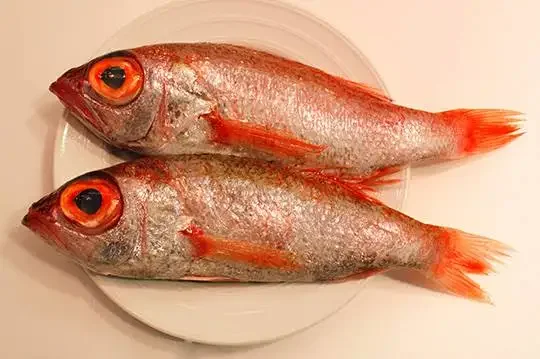
Nodoguro (Blackthroat Seaperch)
Nodoguro, also known as blackthroat seaperch, is one of Japan’s most prized fish and is often called the “Toro of white fish.” Despite being a white fish, it contains an incredible amount of delicate fat, giving it a rich, buttery flavor that melts in your mouth.
At Nagisa, Nodoguro is sometimes lightly seared (aburi) before serving. This technique brings out the aroma of the skin and enhances the natural sweetness of the fat. When paired with sushi rice, the balance of warm fragrance, delicate texture, and deep umami creates an unforgettable bite.
Nodoguro pairs beautifully with Junmai or Ginjo sake, which complements the fish’s richness while keeping the finish clean and elegant.
Shime Saba (Cured Mackerel)
Shime Saba, or cured mackerel, is a classic fish in Edomae-style sushi, the traditional sushi style developed in Tokyo.
Fresh mackerel is first salted and then lightly cured in rice vinegar. This process balances the fish’s natural richness with a refreshing acidity, creating a complex and elegant flavor. The timing of the curing process is extremely delicate, and it requires the experience and intuition of a skilled sushi chef.
At Nagisa, our Shime Saba highlights the natural flavor of the fish while maintaining harmony with the sushi rice. Often served with a touch of ginger or scallion, the result is a clean, bright, and deeply satisfying piece of sushi.
Two Different Expressions of Sushi
These two sushi pieces represent two different philosophies of Japanese sushi.
Nodoguro – rich, buttery, and luxurious
Shime Saba – balanced, refreshing, and traditional
Together they show the depth and artistry of Japanese sushi culture.
At Nagisa, we aim to bring authentic Japanese flavors to San Diego, carefully preparing each piece so that every guest can experience the beauty of traditional sushi.
Whether you are enjoying sushi for the first time or are already a sushi lover, Nodoguro and Shime Saba are two pieces you should not miss.
